The Philippines is an archipelago of over 7,600 islands, located in Southeast Asia. Known for its crystal-clear waters,...
Tour
August 03, 2025
The Philippines is an archipelago of over 7,600 islands, located in Southeast Asia. Known for its crystal-clear waters, white sand beaches, rich culture, and friendly people, the country is a paradise for travelers seeking both adventure and relaxation.
Capital: Manila
Official Languages: Filipino and English
Currency: Philippine Peso (₱ / PHP)
Population: ~115 million
Time Zone: GMT +8
Best For: Island hopping, diving, surfing, food, and festivals
Dry Season (Best Time): November – May
Perfect for beaches, island hopping, and sightseeing.
Rainy Season: June – October
Expect heavy rain and occasional typhoons, but fewer crowds and lower prices.
Tip: Visit between December and April for the best weather and calm seas.
Main International Airports:
Ninoy Aquino International Airport (MNL) – Manila
Mactan-Cebu International Airport (CEB) – Cebu
Clark International Airport (CRK) – Pampanga
Direct flights connect the Philippines with major Asian, Middle Eastern, and some European cities.
Domestic flights: Best for long distances (Manila–Cebu–Palawan–Boracay).
Ferries: Connect major islands (2GO, OceanJet).
Jeepneys & Tricycles: Cheap and iconic local transport.
Grab app: Reliable rideshare service in major cities.
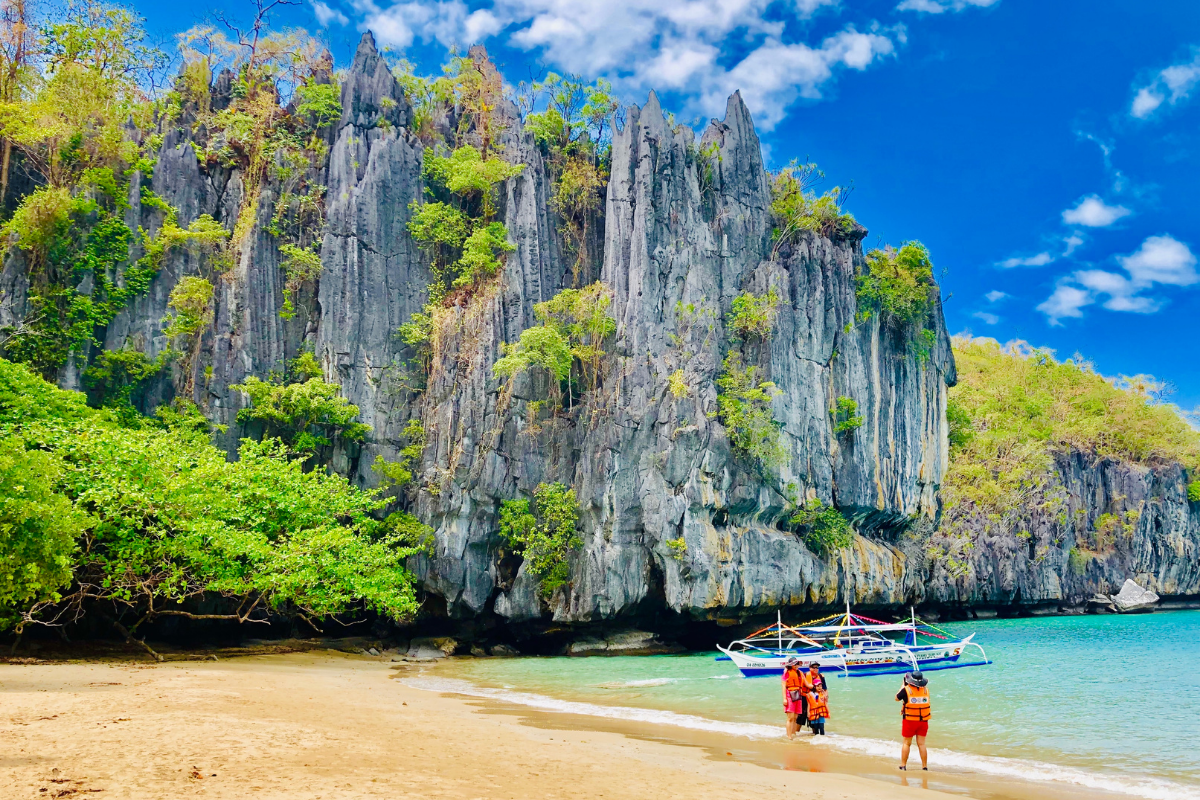
Home to El Nido and Coron, famous for limestone cliffs, lagoons, and diving spots.
Puerto Princesa’s Underground River is a UNESCO World Heritage Site.
World-famous White Beach, nightlife, and water sports.
Recently restored for sustainable tourism — clean, organized, and stunning.
Great balance of city life and nature.
Swim with whale sharks in Oslob and chase waterfalls in Kawasan Falls.
Visit the Chocolate Hills, Tarsier Sanctuary, and stunning white beaches.
Surfing capital of the Philippines, famous for Cloud 9 waves.
Chill island vibes, lagoons, and mangrove forests.
Bustling capital city with history and culture.
Explore Intramuros, Rizal Park, and modern malls.
Philippine cuisine is a fusion of Malay, Spanish, Chinese, and American influences. Don’t miss:
Adobo – Chicken or pork stewed in vinegar and soy sauce
Sinigang – Sour tamarind soup
Lechon – Whole roasted pig
Halo-halo – Shaved ice dessert with milk and mixed toppings
Balut – A famous (or infamous!) fertilized duck egg snack
| Category | Average Daily Cost (USD) |
|---|---|
| Budget Traveler | $30–50 |
| Mid-Range | $60–120 |
| Luxury | $150+ |
Tips:
ATMs widely available, but carry cash on remote islands.
Tipping: 5–10% is appreciated but not mandatory.
Budget: Hostels ($10–20/night)
Mid-range: Boutique hotels & resorts ($40–100/night)
Luxury: Beachfront villas & 5-star resorts ($150–400/night)
Local SIM cards: Globe and Smart (buy at airport).
Wi-Fi is common in cafes and hotels, though sometimes slow in remote areas.
The Philippines is generally safe for tourists.
Watch belongings in crowded areas.
Avoid isolated beaches at night.
Stay updated on local weather and travel advisories during typhoon season.
Vaccinations: Routine shots + Hepatitis A recommended.
Drink bottled water only.
| English | Filipino |
|---|---|
| Hello | Kamusta |
| Thank you | Salamat |
| Yes | Oo |
| No | Hindi |
| How much? | Magkano? |
| Goodbye | Paalam |
Sinulog Festival (Cebu) – January
Ati-Atihan (Kalibo) – January
Panagbenga (Baguio) – February
MassKara (Bacolod) – October
Pahiyas (Lucban) – May
✅ Bring reef-safe sunscreen — protect marine life.
✅ Always carry small bills (₱20, ₱50, ₱100).
✅ Book flights & ferries early in peak season.
✅ Respect local customs and dress modestly in rural or religious areas.
✅ Learn a few Tagalog phrases — locals appreciate it!